Lapacho
also known as: Inca Tea, Taheebo, Tahuari
 100g
4,59 € incl. tax
 250g
9,95 € incl. tax
 500g
17,90 € incl. tax
17,90 € incl. tax
The inner bark of the Lapacho tree (Tecome Lapacho L.) has been used for centuries to prepare a medicinal drink.
However, the use of Lapacho is limited and not recommended:
- for pregnant or breastfeeding women
- for people taking blood thinners (medicines that prevent the formation of blood clots)
- excessive consumption may cause nausea
Lapacho can strengthen the immune system. It can have anti-aging effects and reduce the symptoms of flu and colds. It can inhibit inflammation, detoxify body and can act against some types of fungi, viruses and bacteria. It can improve blood circulation, promote weight loss and help eliminate anaemia. Herbal products should never be used instead of prescription medication. Before adding Lapacho herb to your diet you should consult your family doctor.
Lapacho tree is a unique species native to the mountainous regions of South America, primarily found in Brazil, Argentina, Peru, and Paraguay. In the Andes, it can grow to a height of over 30 metres and live for up to 700 years. Its trunk and branches are made of very hard, durable wood that was once used to make bows. When in bloom, the crown of this tree turns beautiful shades of yellow, pink, and purple, attracting attention far and wide with its charm and beauty.
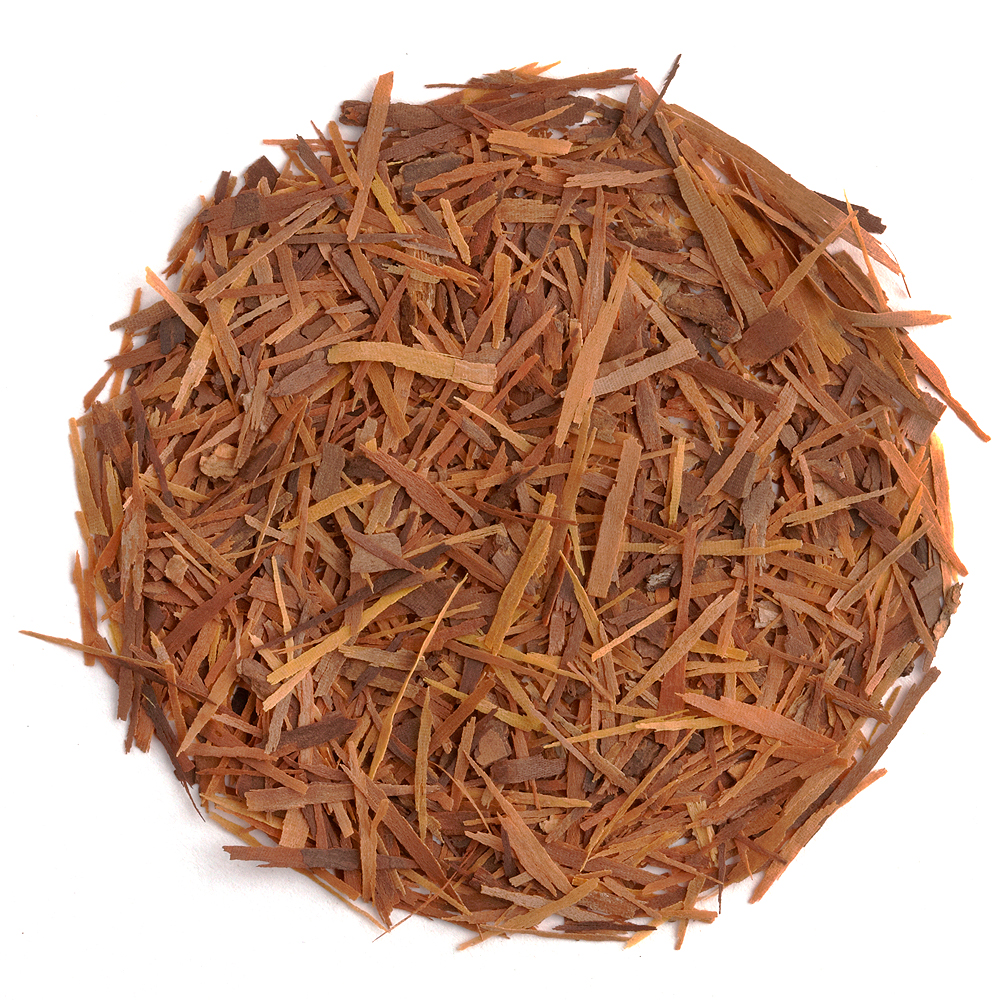
Inner bark of the South American Lapacho tree (Tecome Lapacho L.).
Recommended preparation: Pour 4 tablespoons of Lapacho (approximately 10 g) into 1 litre of cold water. Boil for 5 minutes, then remove from the heat and leave to infuse for another 15-20 minutes. It is best to use a glass kettle with a lid to prevent excessive water evaporation. A steel or enamel pot can also be used (but aluminium is not recommended). Then strain the infusion (using a plastic strainer) into a glass container (such as a bottle, decanter, or jug).
The infusion is prepared in the morning and drunk throughout the day, warm or at room temperature, 2-3 times a day between meals. Lapacho can be used in a course of treatment lasting 4-6 weeks. A break of at least 1 month is then recommended. Do not use a thermos to carry the drink; a glass bottle is the ideal choice.
The indigenous people of South America have used the healing properties of Lapacho for centuries. It was also known by the name Tajyi, which translates as "strength and endurance". Lapacho was also considered a sacred tree by the Incas. Historical sources claim that even the Vikings were treated with its bark.
also known as: Inca Tea, Taheebo, Tahuari


