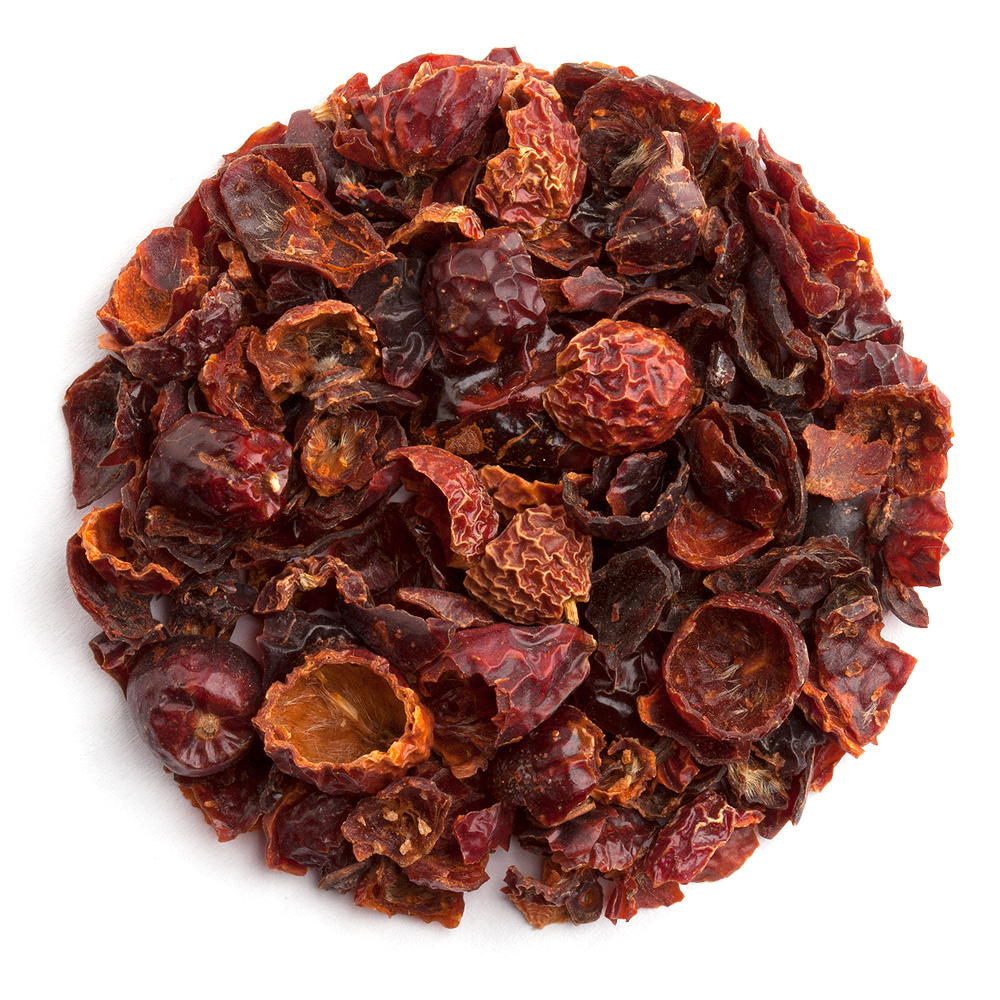
Rose hips Organic
also known as: Rosa canina L., Wild Rose, Rose haw, Hip Fruit, Dog Rose, Dog Rose Hips
 100g
3,35 € incl. tax
3,35 € incl. tax
Delicious, refreshing taste.
- it may boost the immune system
- high vitamin C content
- it may help prevent infectious diseases
- high levels of antioxidants
Rose hips can have a positive effect on the immune system and the body's natural defences against infection. They can be helpful in treating colds. Rose hips have a mild diuretic effect and may contribute to the proper functioning of the bladder and kidneys. It is used for mental and physical fatigue. It can promote good digestion and proper bowel function. It can contribute to good blood circulation and wound healing. Rose hips are known as the "oranges of the north" because of their high vitamin C content. Herbs are a good dietary supplement, but they are not a substitute for a varied diet, medicines or treatments prescribed by your doctor.
Organic Rose hips – fruit shells (Rosa canina L.).
Rose hips can also be prepared by macerating them in cold water. We recommend the following preparation: in the evening, place the rose hips in a mug or teapot and pour cold water over them (about 2 teaspoons per 250 ml). Then cover with a lid and place in the fridge. Leave to macerate overnight and in the morning simply heat the tea to drinking temperature. Do not bring the macerate to the boiling point as this will destroy most of the vitamins.
There are approximately 25 different species of rose hips (Rosa canina L.). The shrub primarily produces pink flowers and can grow up to three meters high. In addition to tea, the fruits are used to make jam or syrup. Rose hips are also utilized in cooking and cosmetics, such as oils and perfumes. Wine is made from them, and rosehip soup (nyponsoppa) is popular in Sweden.
The medicinal properties of rose hips have been known for centuries. The Persians, Greeks, and Romans were familiar with their uses. They were even applied to treat dog-bite wounds, hence the Latin name Rosa canina, which means dog rose. In the Middle Ages, monastery gardens grew rosehips for their medicinal benefits. Sailors used rose hips to prevent scurvy due to their high vitamin C content. British soldiers also used rose hip syrup during the Second World War when there was a severe shortage of citrus fruits.
also known as: Rosa canina L., Wild Rose, Rose haw, Hip Fruit, Dog Rose, Dog Rose Hips


