Rooibos Organic
also known as: Red Bush
 Teabags
4,75 € incl. tax
 100g
7,35 € incl. tax
 250g
15,95 € incl. tax
 500g
28,50 € incl. tax
4,75 € incl. tax
A naturally sweet taste with slightly nutty notes, without any bitterness.
- a traditional herbal drink from South Africa that is popular all over the world
- caffeine-free and very easy to brew
- rich in antioxidants and minerals
- delicious taste with no bitterness or astringency
- an ideal soothing drink for everyone, offering a range of potential health benefits
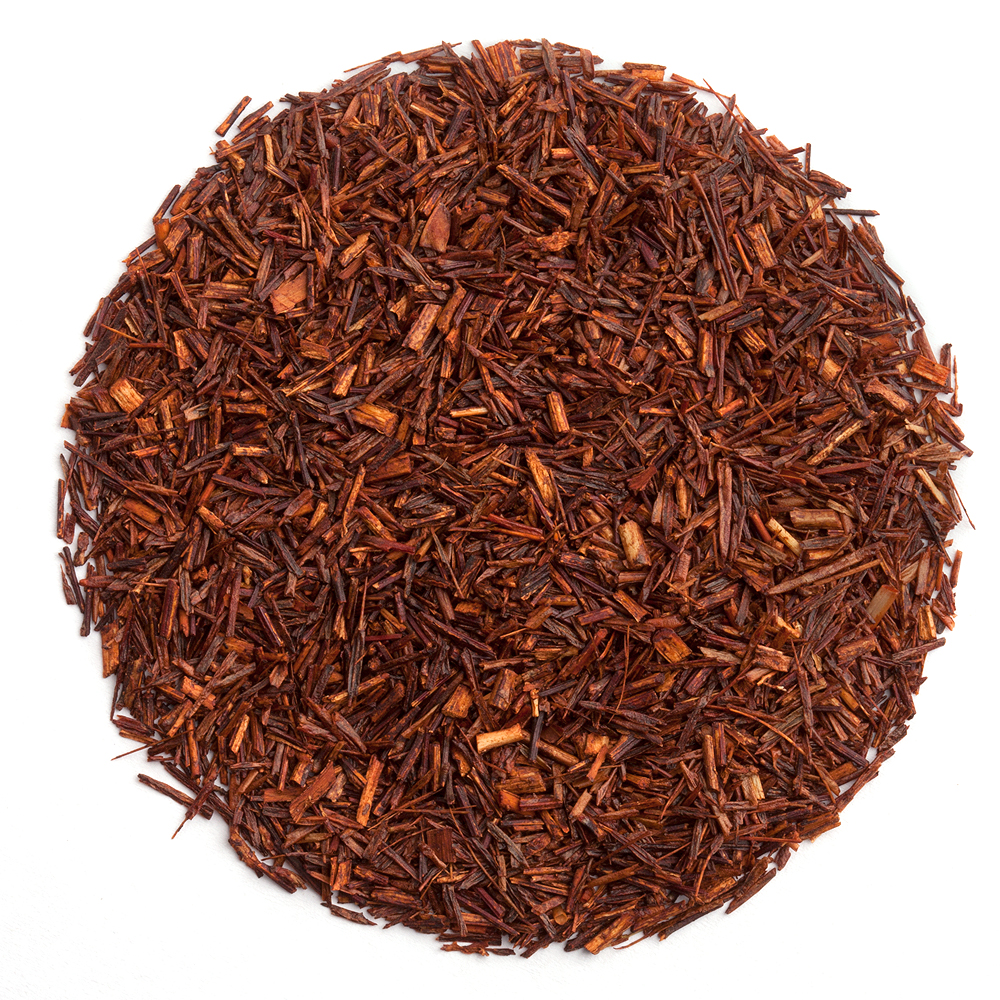
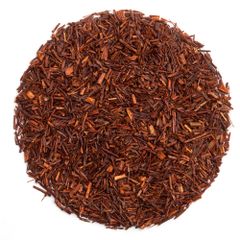
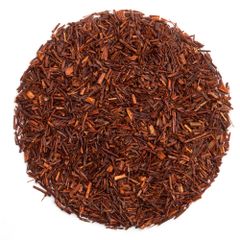
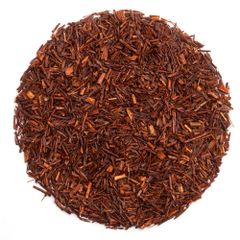
Rooibos has a distinctive brownish-red colour. Its green leaves and twigs are cut and turn red during the oxidation process. Despite this, rooibos contains no caffeine and is a rich source of vitamins and minerals that may enhance overall health.
Rooibos is safe to drink throughout the day and is ideal for children, pregnant women, or as a calming evening beverage. It pairs wonderfully with milk, can be sweetened with honey, or enjoyed as a refreshing iced drink during the summer.
Rooibos, also known as red bush, is a shrub native to the Cederberg Mountains in the Western Cape Province of South Africa. This region is so unique that it was declared a UNESCO World Heritage Site in 2004. It is home to around 9,000 different plant species, nearly 70% of which are endemic to the area. Rooibos is one of these distinctive plants. Its needle-shaped leaves are harvested each January, when summer reaches its peak in this part of Africa, with daytime temperatures soaring to an extraordinary 40°C.
Twigs and leaves of organic Rooibos (Aspalathus linearis L.).
Serving size: 1 pyramid tea bag (2.5g)
Servings per box: 18
Net weight: 45g
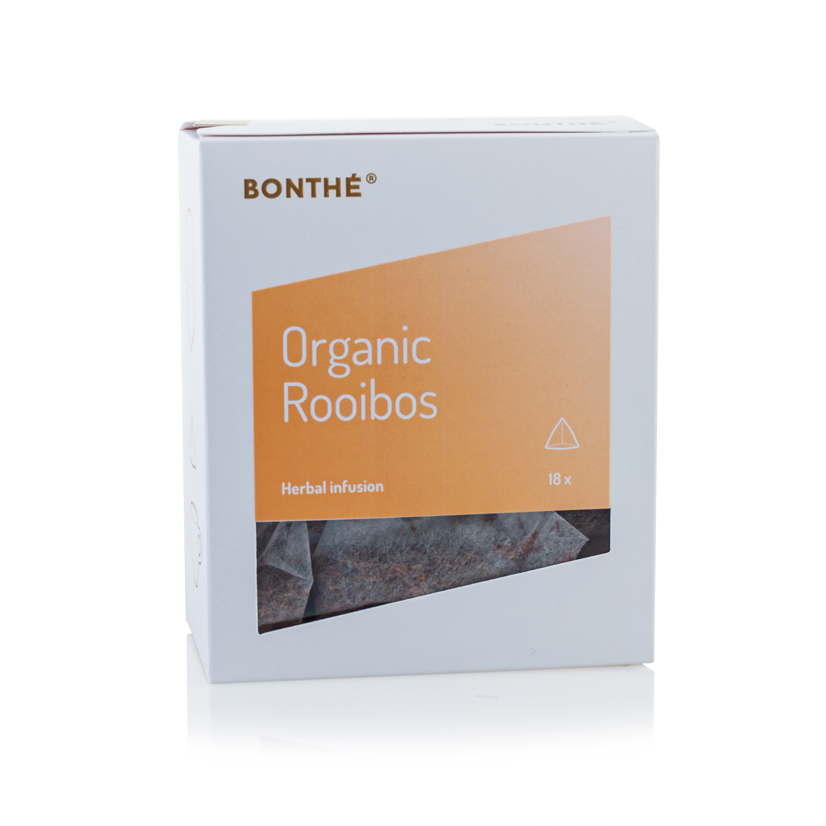
The tea bags are made from biodegradable corn starch. The pyramid shape gives the herb a large internal volume for proper infusion. It allows the water to circulate better, releasing more functional components, taste and aroma.
At the beginning of the 20th century, this herbal tea gradually became known to Europeans. In 1904, the first merchants began importing it from Cape Town, South Africa. Rooibos gained significant popularity and even partially replaced black tea during the Second World War due to a severe shortage of Chinese tea. However, large-scale commercial cultivation did not start until around 1960.
also known as: Red Bush


