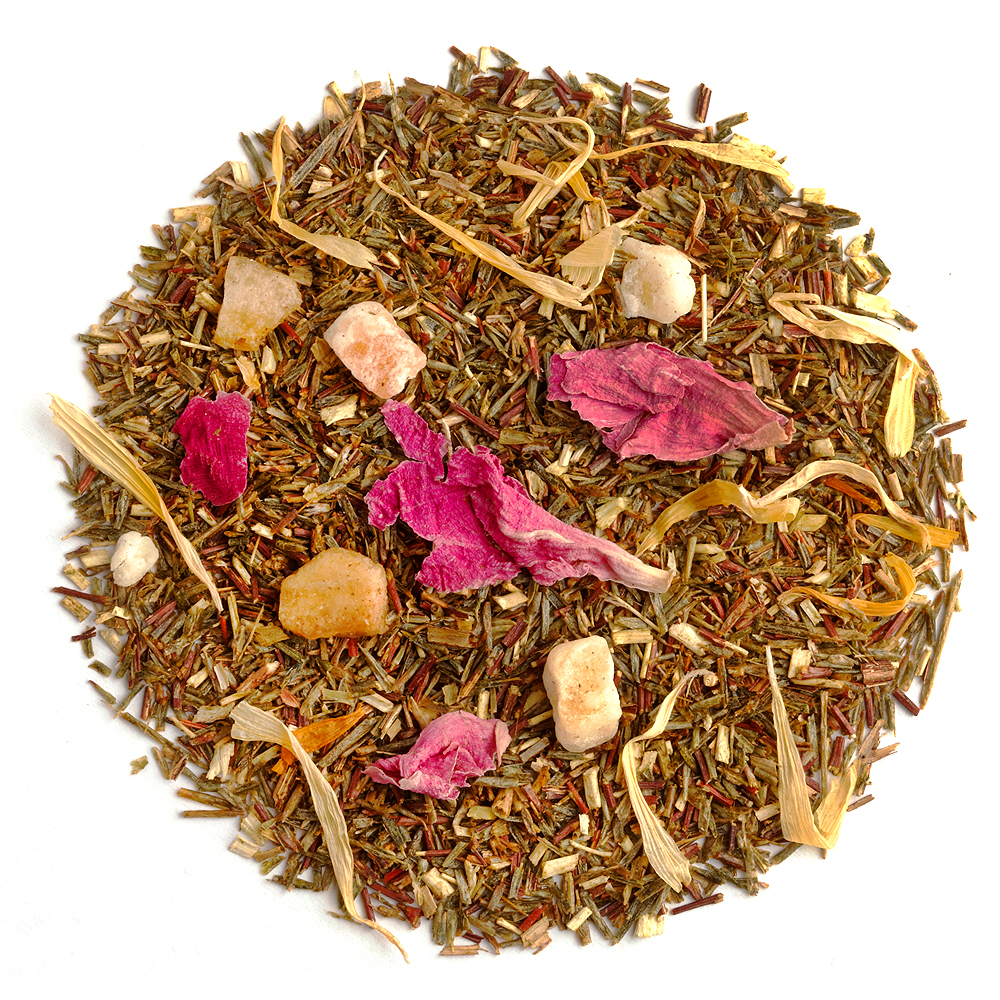
Paradiso
Rooibos – exotic fruit
Select variant
Available in 3 variants
 60g
Product Name:
Paradiso
SKU:
961051
Availability:
In stock
Product Price:
4,16 €
without TAX
4,95 € incl. tax
4,95 € incl. tax
 200g
Product Name:
Paradiso
SKU:
9961051
Availability:
In stock
Product Price:
12,06 €
without TAX
14,35 € incl. tax
14,35 € incl. tax
 500g
Product Name:
Paradiso
SKU:
1961051
Availability:
In stock
Product Price:
26,81 €
without TAX
31,90 € incl. tax
31,90 € incl. tax
Availability
Availability: In stock
Your price: 12,06 €
without TAX
14,35 € incl. tax
14,35 € incl. tax
- a traditional herbal drink from South Africa that is popular all over the world
- caffeine-free and very easy to brew
- rich in antioxidants and minerals
- delicious taste with no bitterness or astringency
- an ideal soothing drink for everyone, offering a range of potential health benefits
- compared to the better-known red rooibos, it has a more herbal taste and higher nutrient content
Rooibos may help you stay hydrated throughout the day.
It is caffeine-free and has a low tannin level, so it does not become bitter even after prolonged brewing.
Green rooibos, unlike the more well-known red rooibos, does not undergo the oxidation process. As a result, its leaves retain their fresh green colour and, most importantly, a higher concentration of antioxidants.
Green rooibos has a much shorter history compared to the oxidised red version, having appeared on the market around 1990. It comes from the same plant as the more widely known red rooibos. The key difference is that green rooibos does not undergo the oxidation process. Immediately after harvesting, the fresh twigs and leaves are quickly dried, allowing the leaves to retain their fresh green colour and, most importantly, their high nutrient content.

Amount of tea
1 tsp. (2g) / 200ml

Steeping time
5 min

Caffeine
NO

Temperature
95˚C


Bonthe newsletter