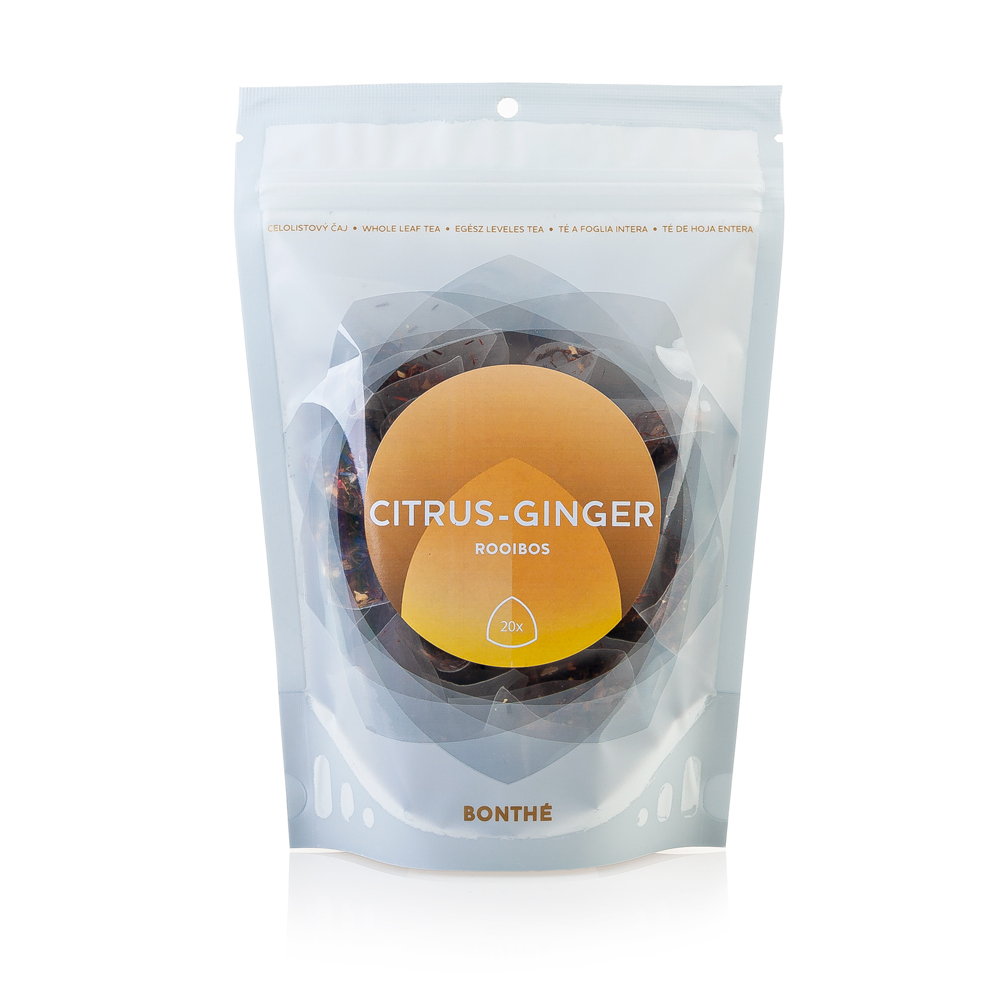
Citrus & Ginger
 Teabags
5,49 € incl. tax
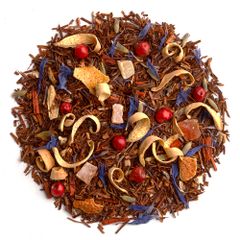 60g
4,95 € incl. tax
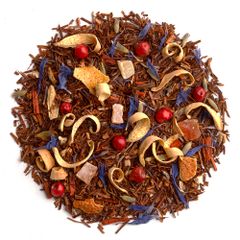 200g
14,35 € incl. tax
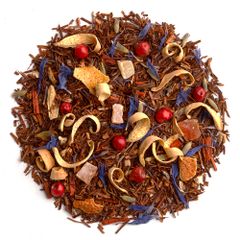 500g
31,90 € incl. tax
5,49 € incl. tax
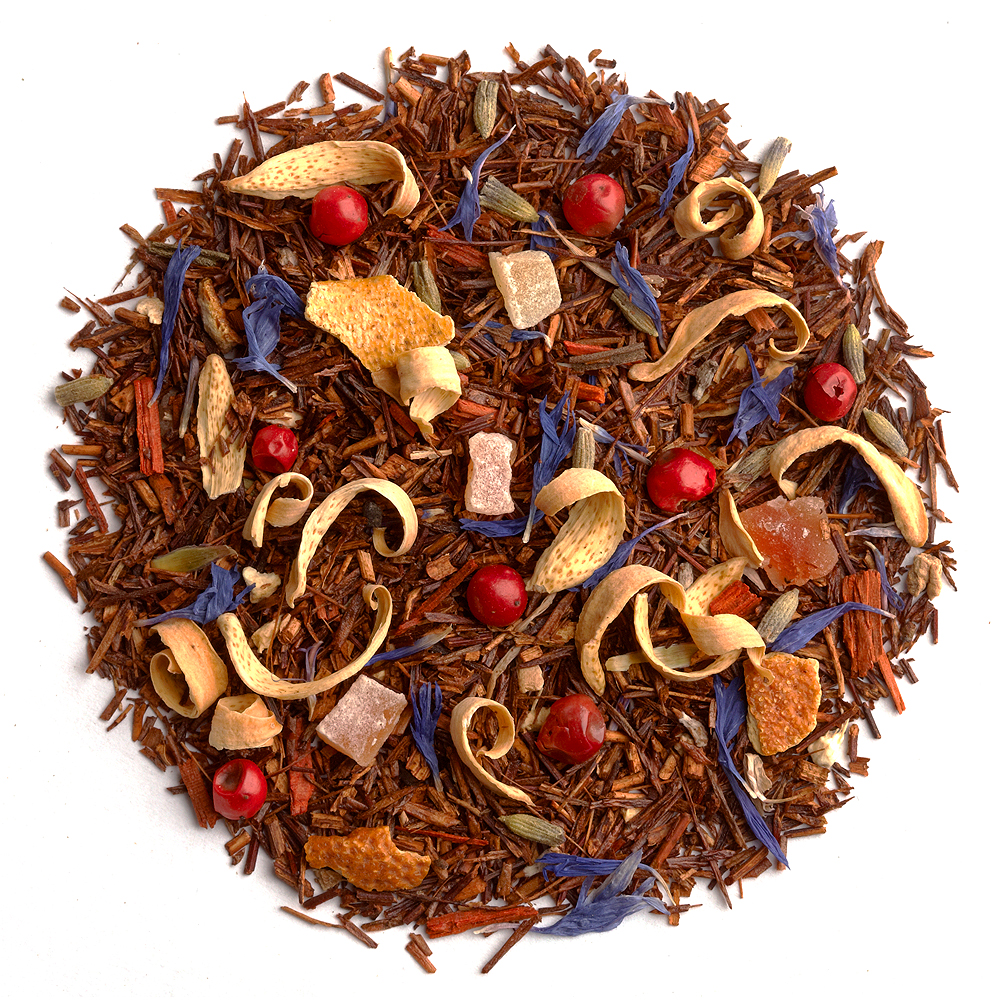
Rooibos with a refreshing taste of citrus and ginger.
- a traditional herbal drink from South Africa that is popular all over the world
- caffeine-free and very easy to brew
- rich in antioxidants and minerals
- delicious taste with no bitterness or astringency
- an ideal soothing drink for everyone, offering a range of potential health benefits
Rooibos has a distinctive brownish-red colour. Its green leaves and twigs are cut and turn red during the oxidation process. Despite this, rooibos contains no caffeine and is a rich source of vitamins and minerals that may enhance overall health.
Rooibos is safe to drink throughout the day and is ideal for children, pregnant women, or as a calming evening beverage. It pairs wonderfully with milk, can be sweetened with honey, or enjoyed as a refreshing iced drink during the summer.
Rooibos (77.7%), orange peel (3.8%), papaya (papaya, sugar), flavouring, red pepper, sandalwood, ginger (1.9%), ginseng, orange blossoms, cornflowers, lavender flowers.
Serving size: 1 pyramid tea bag (2.25g)
Servings per package: 20
Net weight: 45g
The tea bags have a pyramidal shape and a large internal volume to release maximum aroma and taste. They allow tea to be brewed conveniently without the need for a kettle or tea strainer. Compared to regular tea bags, they contain high quality loose leaf tea and large pieces of fruit. They are made from corn starch, which is a biodegradable material. Our eco-friendy tea bags are not harmful to the environment. They do not affect the taste of the tea. No glues are used in their production.
Nutrition declaration per 100 ml: energy value 18 kJ/ 4 kcal, fats 0g (of which saturated fatty acids 0g), carbohydrates 0g (of which sugars 0g), proteins 0g, salt 0.03g.
At the beginning of the 20th century, this herbal tea gradually became known to Europeans. In 1904, the first merchants began importing it from Cape Town, South Africa. Rooibos gained significant popularity and even partially replaced black tea during the Second World War due to a severe shortage of Chinese tea. However, large-scale commercial cultivation did not start until around 1960.


