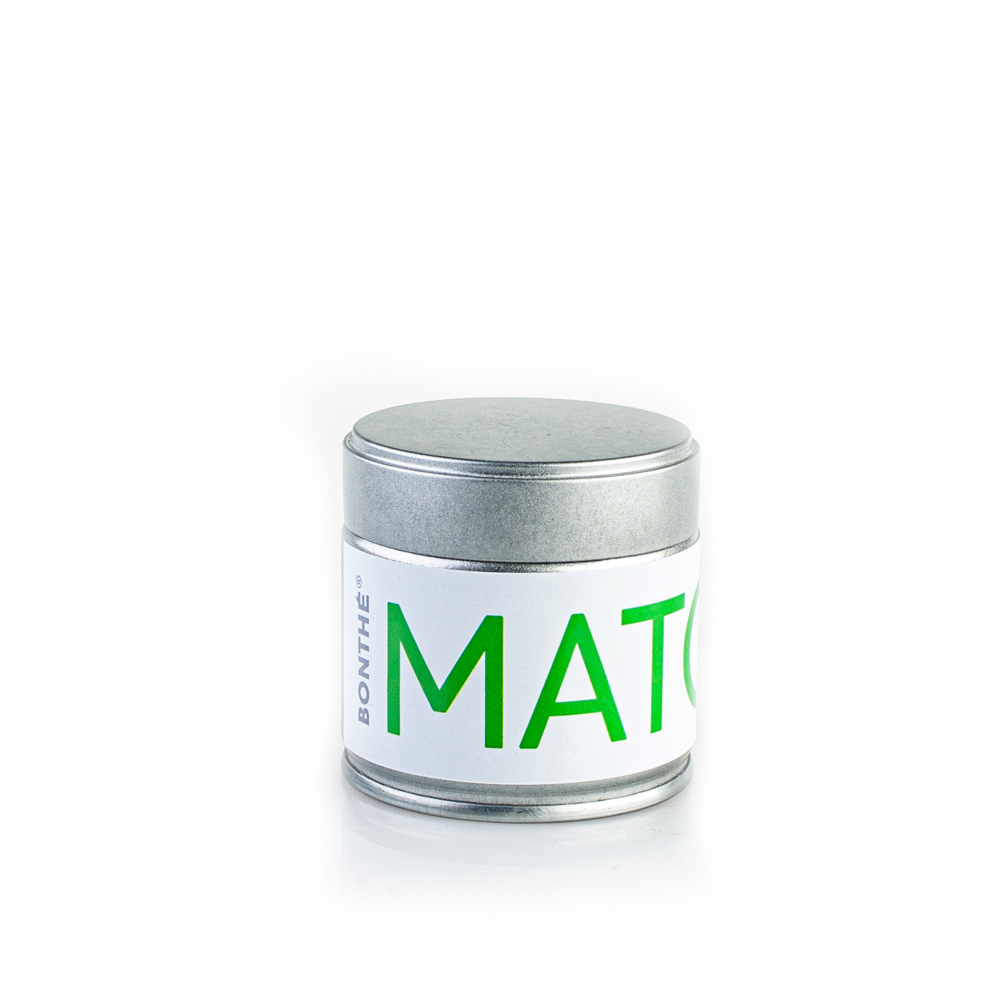
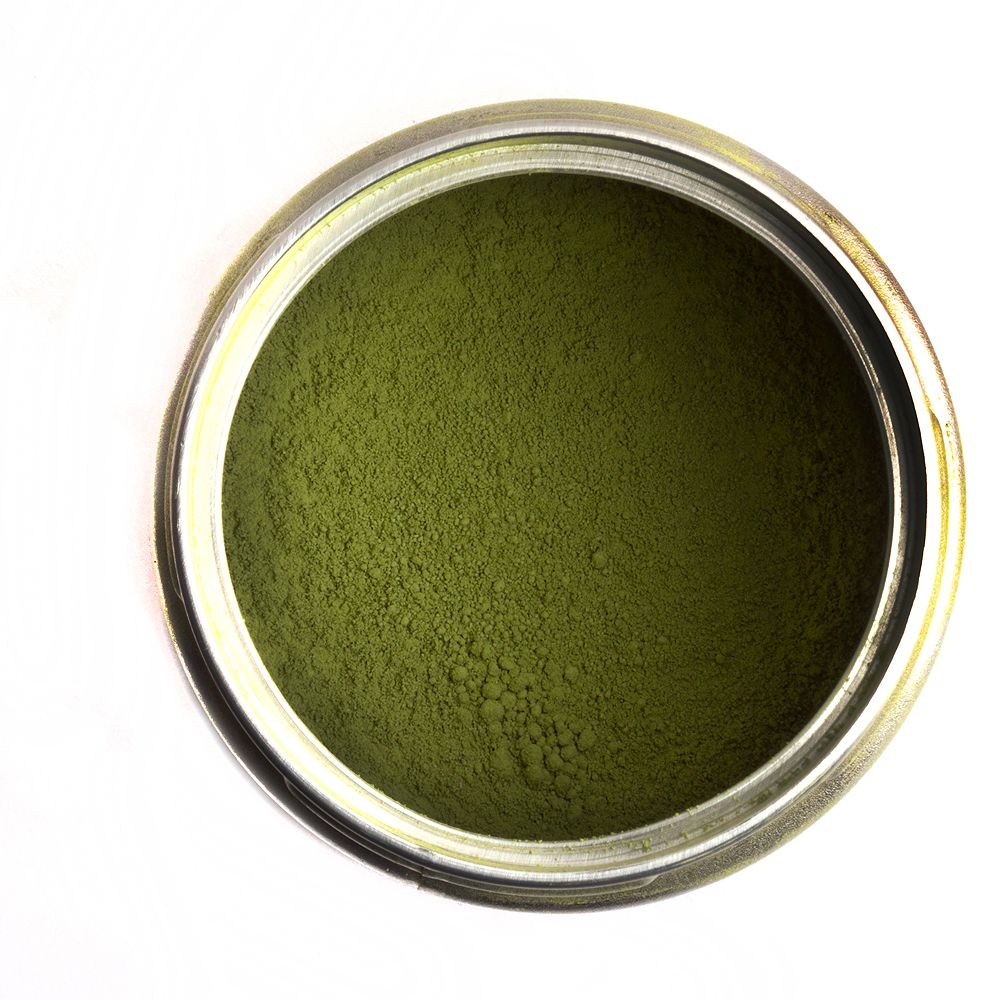
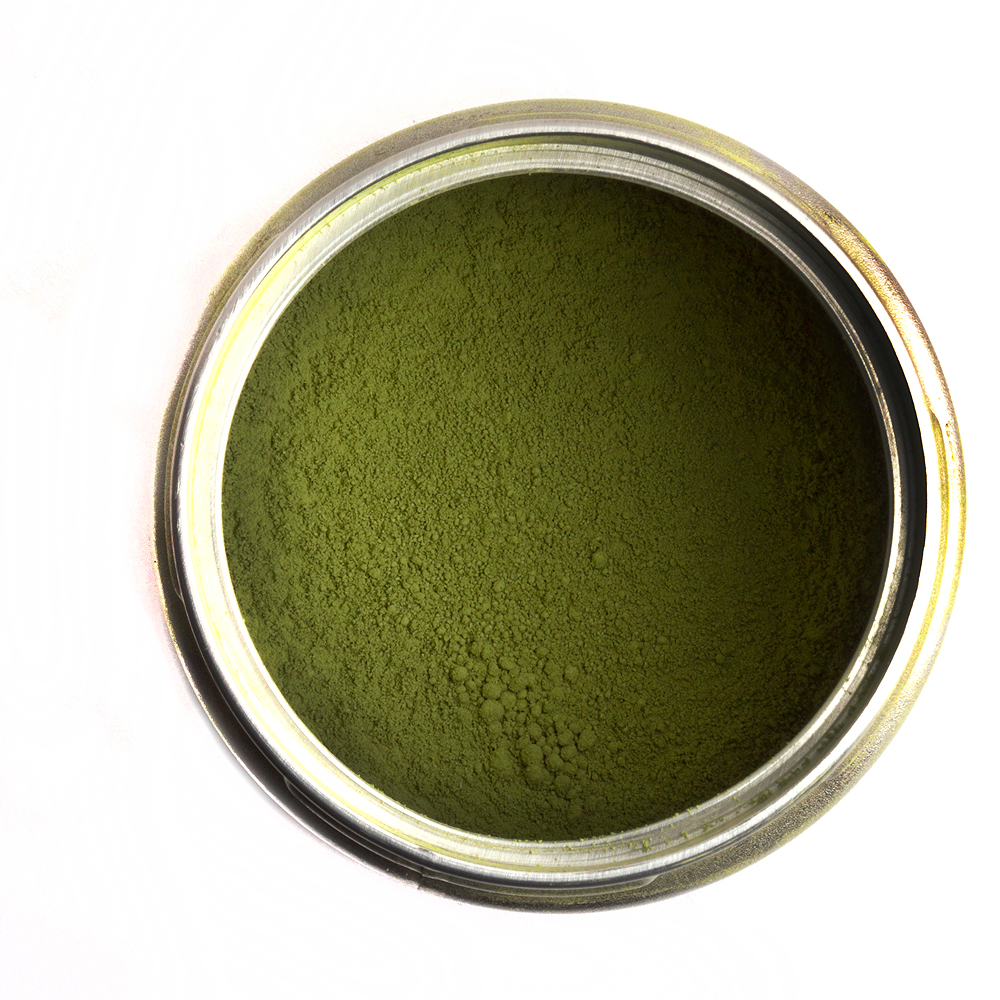
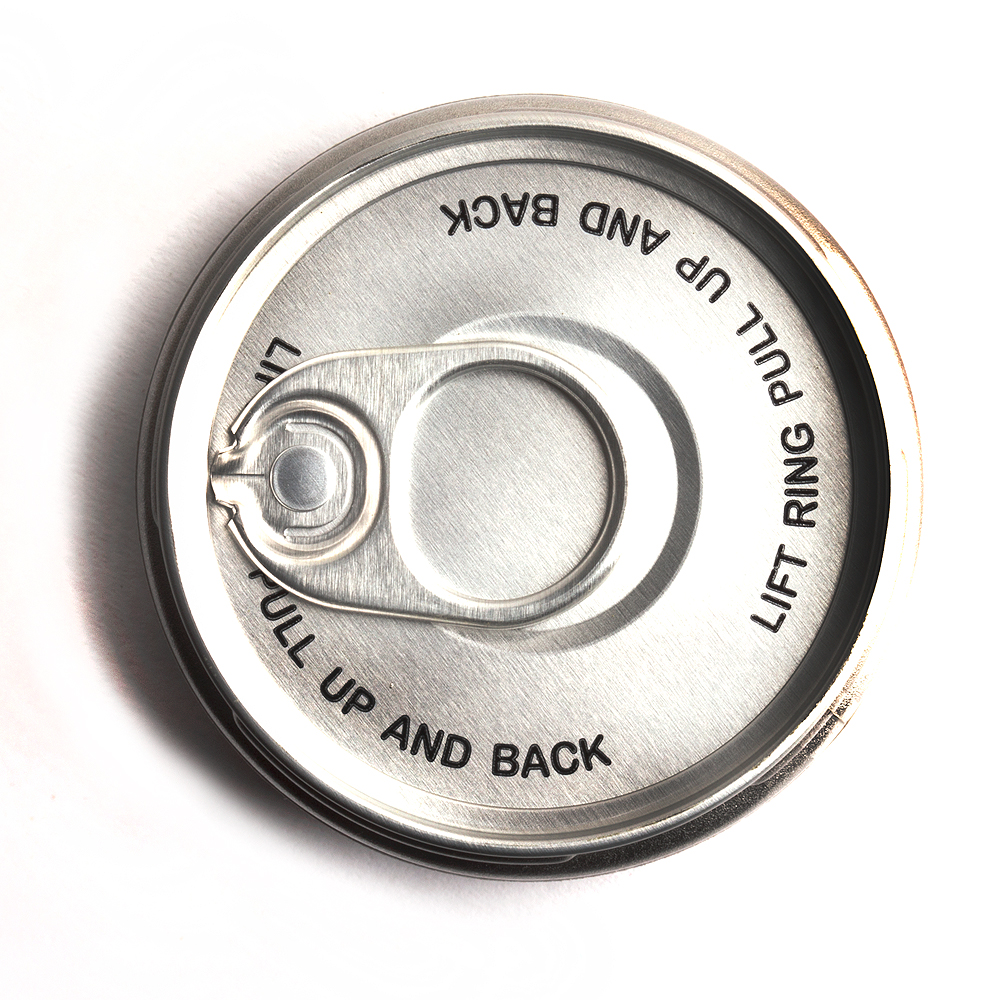
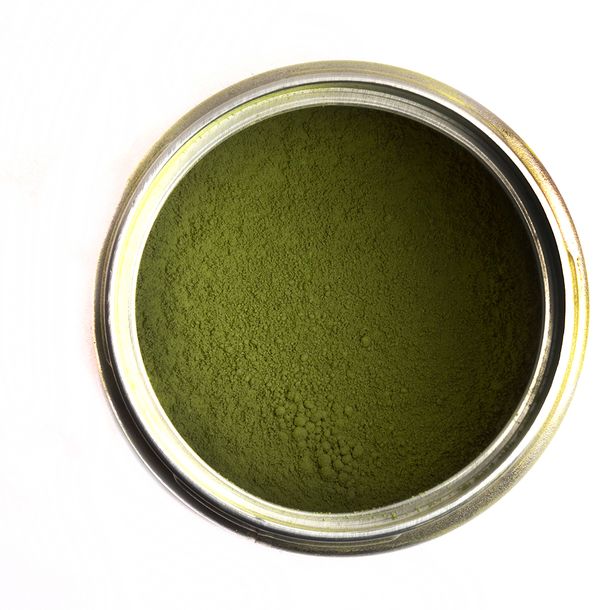
Ceremonial Matcha Organic 30g
also known as: Powder Tea, Macha, Maccha
19,90 € incl. tax
Delicate taste with a pleasant, mild bitterness reminiscent of young walnuts and a long-lasting aftertaste.
- exceptional Japanese powder tea
- a prime source for enhancing performance and concentration
- it is consumed ceremonially during the Chanoyu tea ceremony or enjoyed as a regular everyday tea
- excellent substitute for coffee or energy drinks
- among all teas, it has the highest content of vitamins, minerals, and antioxidants
- Matcha is also popular as an ingredient in desserts, smoothies, milkshakes, cookies, and ice cream
Excellent, high-quality Matcha.
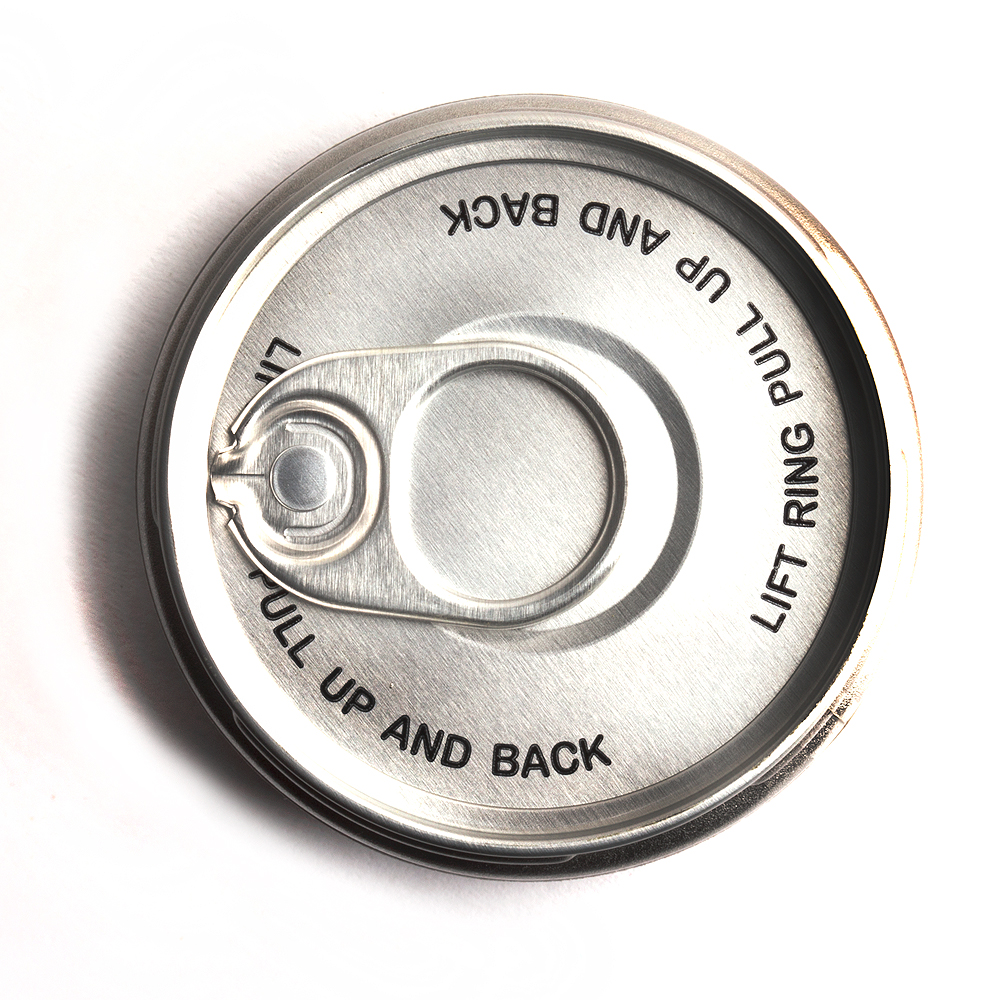
The tea is vacuum-packed in a tin with a sealed lid to preserve its taste and aroma.
The infusion has a distinctive dark green colour due to its high chlorophyll content.
Compared to other teas, the taste is more intense, specific, and unique. It can be mellowed with milk to create the popular "Matcha Latte".
This Matcha comes from Nishio, a town in Aichi Prefecture, Japan. Nishio is currently the only city in Japan exclusively dedicated to the production of Matcha tea.
Compared to whole leaf teas brewed in hot water, Matcha contains a significantly higher amount of nutrients because the entire leaf is consumed when it is drunk. One cup of Matcha provides as many antioxidants as 10 cups of regular green tea. It may aid in detoxifying the body and enhancing immune system activity. Additionally, Matcha may accelerate metabolism and assist in weight loss. Furthermore, Matcha is unique in supplying the body with fibre, offering approximately 4 grams of fibre per 10 grams of powder. With 70 to 100 milligrams of caffeine per cup, Matcha supports concentration and boosts energy for about 3 to 6 hours. Thanks to the amino acid L-theanine, the caffeine is released slowly, preventing any unpleasant "caffeine shock". As a result, the energising effect of Matcha, compared to coffee, lasts for a much longer period. While Matcha is a beneficial dietary supplement, it should not replace a varied diet or any medications or treatments prescribed by your doctor.
Matcha is a distinctive Japanese green tea that comes in the form of a fine powder. It is made from the finest spring tea leaves, which are shaded for about 20 days before being harvested. This shading process reduces sunlight, increasing the levels of chlorophyll (the green pigment) and caffeine, while preserving a high concentration of L-theanine in the leaves. Matcha contains more L-theanine than any other tea. This amino acid enhances the flavour and promotes a pleasant sense of well-being and relaxation.
After harvesting, the tea leaves undergo partial processing to remove the stems and leaf veins, resulting in a base product known as Tencha. The Tencha leaves are then carefully ground using stone grinders, known as Ishi Usu in Japanese, into a very fine powder - Matcha. This grinding process is quite time-consuming, producing only about 30 grams of powder per hour. Slow rotation of the grinders is essential to avoid excessive heat, which could burn the leaves. This precise grinding method ensures that the resulting powder retains its rich colour, flavour, and aroma.
Green tea
Matcha stands out not only for its taste and production process but also for its unique preparation method. Unlike whole-leaf teas, which are steeped in hot water, Matcha is prepared by whisking the powder with a special bamboo whisk called a Chasen in a bowl known as a Chawan.
To prepare Matcha, start by pouring 2 grams of Matcha powder into the bowl. To measure this amount, it's recommended to use a traditional bamboo Chashaku spoon. Take two full Chashaku spoons of powder, which equals approximately one level teaspoon. Add 200 ml of water at 75°C. Avoid using boiling water, as it will result in a drink that tastes too bitter.
Next, beat the tea with a bamboo whisk for 20 - 30 seconds until a layer of foam forms on the surface. When whisking, move the whisk in the shape of the letters "O", "W", or "M".
Matcha is then enjoyed straight from the bowl in which it was prepared. After use, it's important to rinse the bamboo whisk under running water and dry it thoroughly. Traditionally, this is done using a special holder shaped like a small vase, known in Japanese as a Kuse Naoshi.
Proper storage of Matcha is also crucial – it should be kept in a properly sealed tin or zip-top bag. Once opened, the tea should be consumed within 2 - 3 weeks to maintain its freshness and quality.
Matcha has its origins in China, where ground tea leaves were brewed as early as the 11th century during the Song dynasty. Monks used it to enhance concentration and energy during long meditations. Matcha was introduced to Japan by the monk Myoan Eisai (1141-1215). After studying Buddhism in China, he returned to Japan in 1191 and planted the first tea plants near Kyoto. This future Zen master also played a key role in promoting matcha and its many benefits. The Japanese thus “adopted” powdered tea from the Chinese and gradually refined its production and preparation with their own expertise. Over time, they achieved perfection, and today, Japan produces the finest Matcha in the world. It has been an integral part of Japanese culture for centuries, especially in the form of the Chanoyu tea ceremony.
also known as: Powder Tea, Macha, Maccha


