Sencha Miyazaki
 50g
9,05 € incl. tax
9,05 € incl. tax
Smooth, round taste with the sweetness of cream and subtle hints of young hazelnuts.
- an excellent Japanese sencha of exceptional quality
- for those who love Japanese teas with a complex, delicate taste
- pleasantly sweet, buttery notes
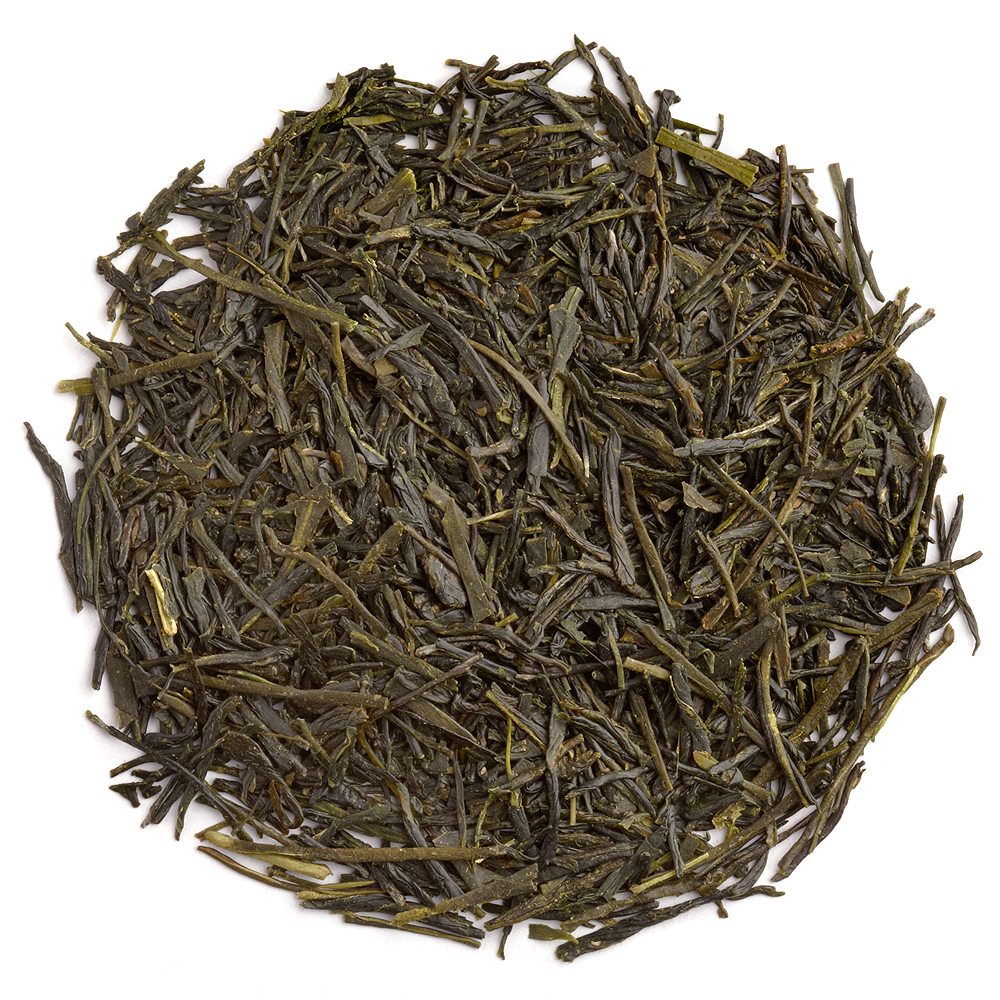
Fresh green, needle-like leaves. Bright infusion.Fresh green, needle-like leaves. Bright infusion.
This tea originates from the Miyazaki Prefecture, situated on the east coast of Kyushu Island, Japan. The tea plants thrive in the region's mild climate, cultivated on plantations surrounded by beautiful forests of cypress and cedar trees.
Buddhist monks brought tea to Japan from China in the 8th century. It gradually became closely associated with spirituality, art and rituals. This gave rise to a unique tea culture, reflecting the Japanese sense of discipline and perfection. Today, tea production focuses almost exclusively on green tea of excellent quality. The Japanese use their own unique methods of growing and processing tea, such as shading tea plants or using hot steam to gently stop oxidation. Around 100,000 tonnes of tea is produced in the country each year, but only 1% is exported. Almost all tea is consumed by the Japanese themselves.
Green tea
Sencha is the most sought-after green tea in Japan, with its popularity skyrocketing due to the efforts of a monk named Baisao around 1735. He wandered the streets of Kyoto with his mobile tea house, introducing the practice of steeping tea leaves in hot water, which is the essence of sencha. Offering tea prepared in this manner to passers-by was quite unconventional at the time, as whole leaf tea was not commonly consumed in Japan. The prevailing tea was powdered and whipped (matcha), which was expensive and required lengthy ceremonial preparation. Sencha represented a liberation from such rituals, making tea drinking convenient and relaxed for ordinary people without the need for formal settings. Over time, sencha gradually spread throughout the country and now accounts for up to 80% of Japan's total tea production.


