Lapsang Souchong
also known as: Smoked Tea, Tarry Lapsang
 50g
Distinctive, sharp taste with pronounced smokiness.
- basic Lapsang Souchong for lovers of sharp, smoky taste
- taste you either love and appreciate or definitely don’t
Lapsang Souchong tea, a basic but sought-after grade.
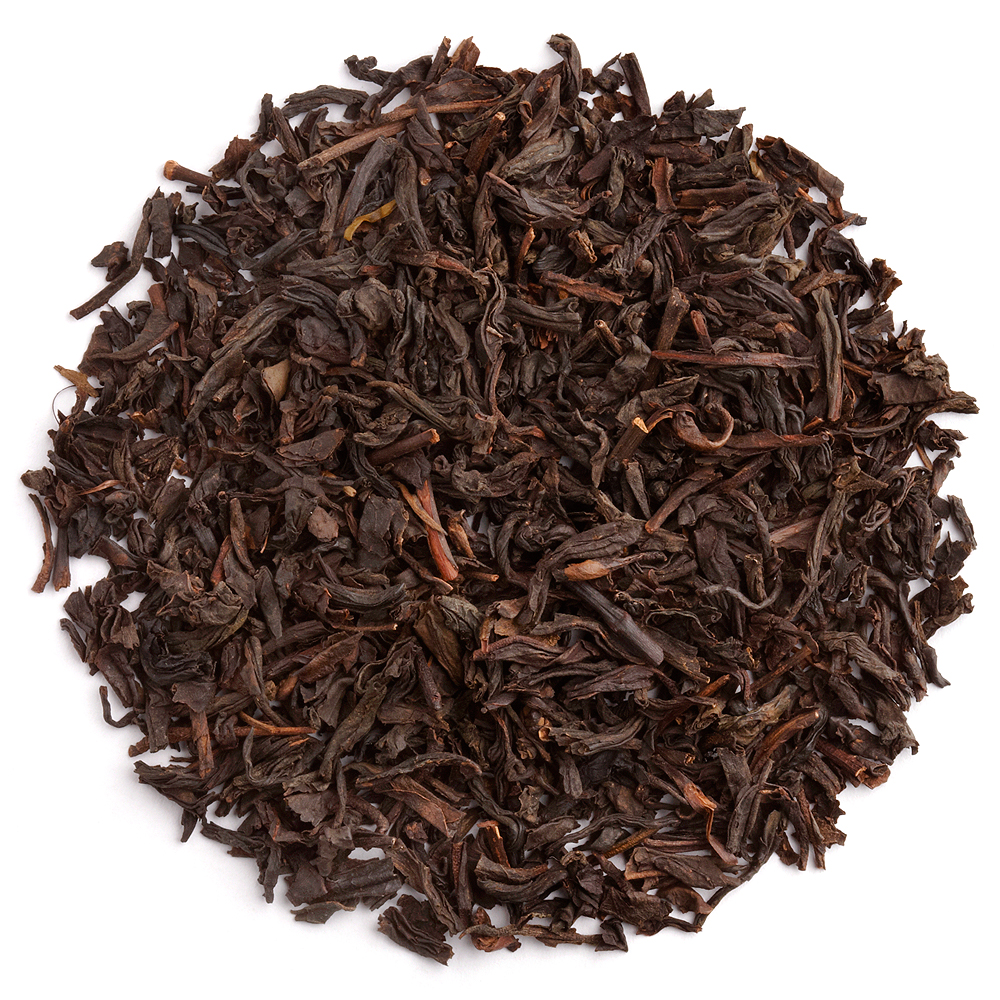
Smaller, dark leaves. Yellow-brown infusion with a characteristic smoky aroma.
Traditionally, it is enjoyed on its own, without milk or added sweeteners.
Black tea (as opposed to green tea) doesn't have a very long history in China. The very first one was made about 400 years ago and it was actually Lapsang Souchong. However, this type of tea was not very popular in China and was therefore considered a "western tea" at the time. Dutch traders were the first to bring it to Europe. However, it was so luxurious and expensive that it was only sold in pharmacies as a rare healing elixir.
The name itself reveals the essence of this tea. Lap is the Chinese word for pine tree. Sang means smoke and Souchong is the name of the type of leaf used in its production.
Black tea
It is said that the invention of Lapsang Souchong resulted from an (un)fortunate turn of events. Villagers in the northern part of China's Fujian province were skilled tea farmers. One day, as the imperial army invaded the area, the locals had to seek refuge. At the time, they were processing a fresh batch of tea leaves and did not want their crop to be confiscated. To quickly dry the tea, they decided to use burning pine wood, which imparted a distinctive smoky aroma and flavour to the leaves. When the soldiers left, the villagers believed their tea had been ruined and sold it to Dutch merchants for a few pennies. To their surprise, the merchants returned a year later asking for more smoked tea, as it had become a luxury item in Europe.
also known as: Smoked Tea, Tarry Lapsang


