Taste combines the sweet notes of fruit with a very soft, delicate hint of tannins. A long-lasting aftertaste reminiscent of plums.
non-traditional Japanese black tea
a true rarity from a country that produces almost exclusively green teas
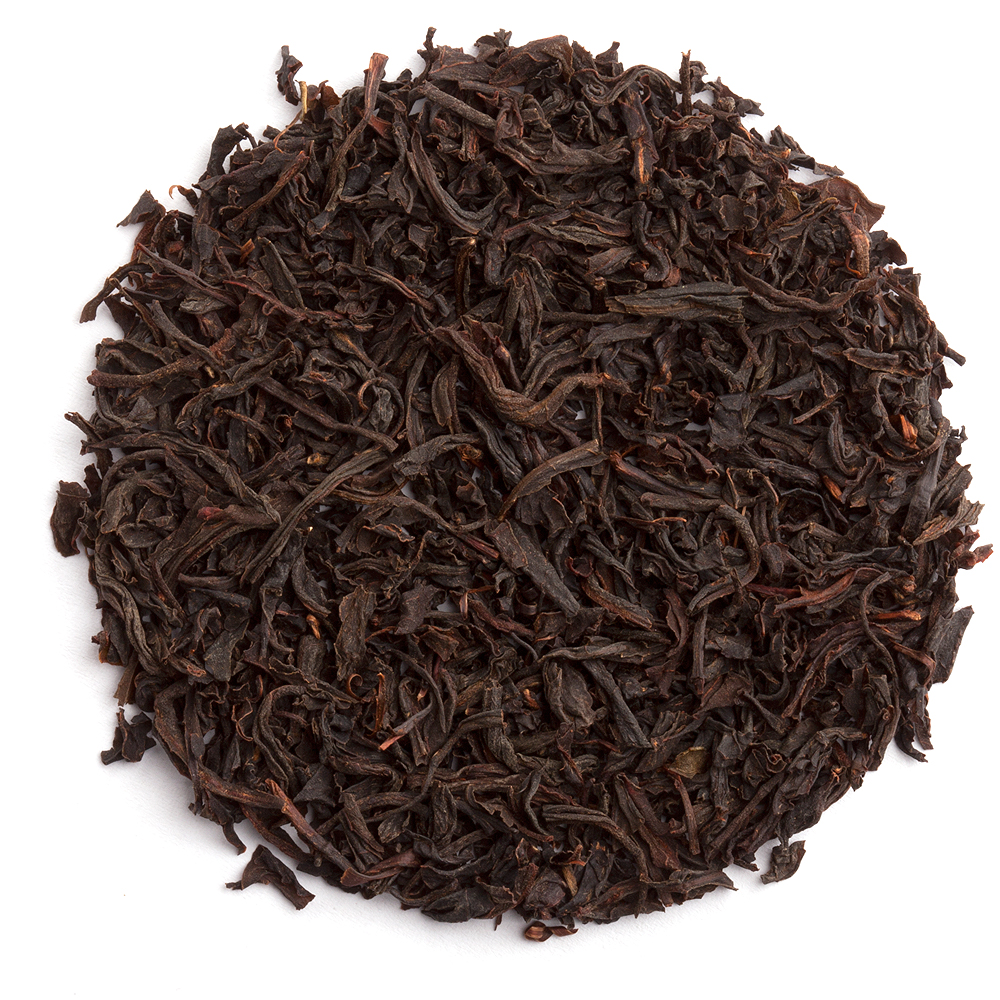
Fully oxidised, rare Japanese black tea. Thin, dark leaves. Red-brown infusion. Aroma reminiscent of caramel. We recommend drinking this tea without milk. Only a very small part of the Japanese tea industry is dedicated to the production of black tea. It is therefore considered a great rarity. The leaves are harvested by machine between May and July. Benifuki is the name of a relatively rare tea cultivar that was bred specially for black tea production in 1993. Of all the Japanese cultivars, it is the one with the highest content of catechins (natural antioxidants).The first black tea was produced in Japan around 150 years ago, when the country began to open up to international trade. At that time, the Japanese government decided (with a vision of great profit) to support the production and subsequent export of black tea, which became very popular in Europe and North America. However, there was a fundamental problem. Japan only produced green tea. At the time, almost no one knew how to produce black tea. So the government assembled a group of farmers under the leadership of Mr. Tada Motokichi, considered the father of Japanese black tea. In 1875, this expedition went to China and India to learn as much as possible about the methods and techniques of processing black tea. They were even the first Japanese to visit tea gardens in the Indian regions of Assam and Darjeeling. When they returned to their homeland, they immediately put the knowledge they had gained into practice and began to produce Japanese black tea. Exports peaked in 1954, when up to 5,000 tonnes were shipped out of the country. By comparison, only about 200 tonnes of black tea were produced in Japan in 2016.Black tea Black tea is known in Japan as Wakoucha. Wa refers to the ancient name of Japan. Kou means "red" in Japanese (referring to the colour of the brew) and finally Cha is a term commonly used for the tea itself.also known as: Wakoucha, Koucha