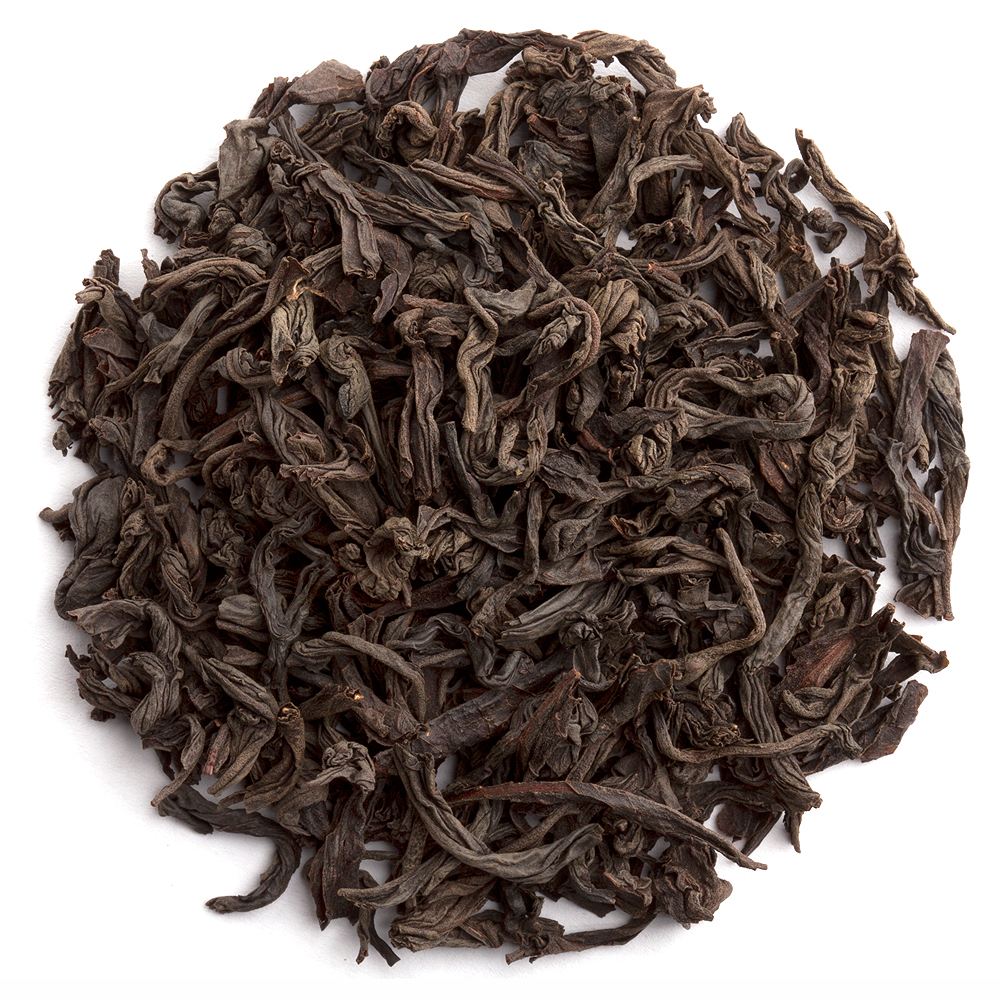
Grey-green colored leaves. Amber infusion. OPA = slightly curled large leaves. Tea from the Lankaran - Astara region on the coast of the Caspian Sea. It is a region in the southern part of Azerbaijan near the border with Iran. It has the best natural conditions in the country for growing the tea plants.Tea cultivation began in Azerbaijan around 1930. However, the golden age came a little later – in the period from 1970 to 1980. At that time, the country produced an average of 35,000 tonnes of black tea a year! Its main customer was the Soviet Union. After the collapse of the USSR, however, the country's tea industry experienced a sharp and fundamental decline. Azerbaijan suffered the same fate as Georgia. Today, the country produces less than 800 tonnes of tea a year. However, the government has made a commitment to significantly increase the number of tea gardens by the year 2027.Black tea Tea is an integral part of life in Azerbaijan. It is drunk in the family circle or in very popular tea houses. It is also an important symbol of hospitality when welcoming guests. The most popular is black tea, which is prepared in a samovar. It is served in small pear-shaped glasses called Armudu. This type of tea is usually very strong and is therefore drunk heavily sweetened or even with a sugar cube placed in the mouth. Unlike many other countries, milk is not added to tea in Azerbaijan. Instead, cinnamon, cardamom, ginger or a slice of lemon are used to enhance the taste. A variety of cakes and sweet fruits are also popular with tea.